FMS TurboTrace SPE System
Automated solid phase extraction system
Automated solid phase extraction system that runs up to six liquid samples at once, with PEEK and stainless-steel flow paths for low-background PFAS work.
- Category
- Sample preparation
Supplied and supported in Egypt
GLHS provides consultation, installation, user training and after-sales support for the products it supplies.
Overview
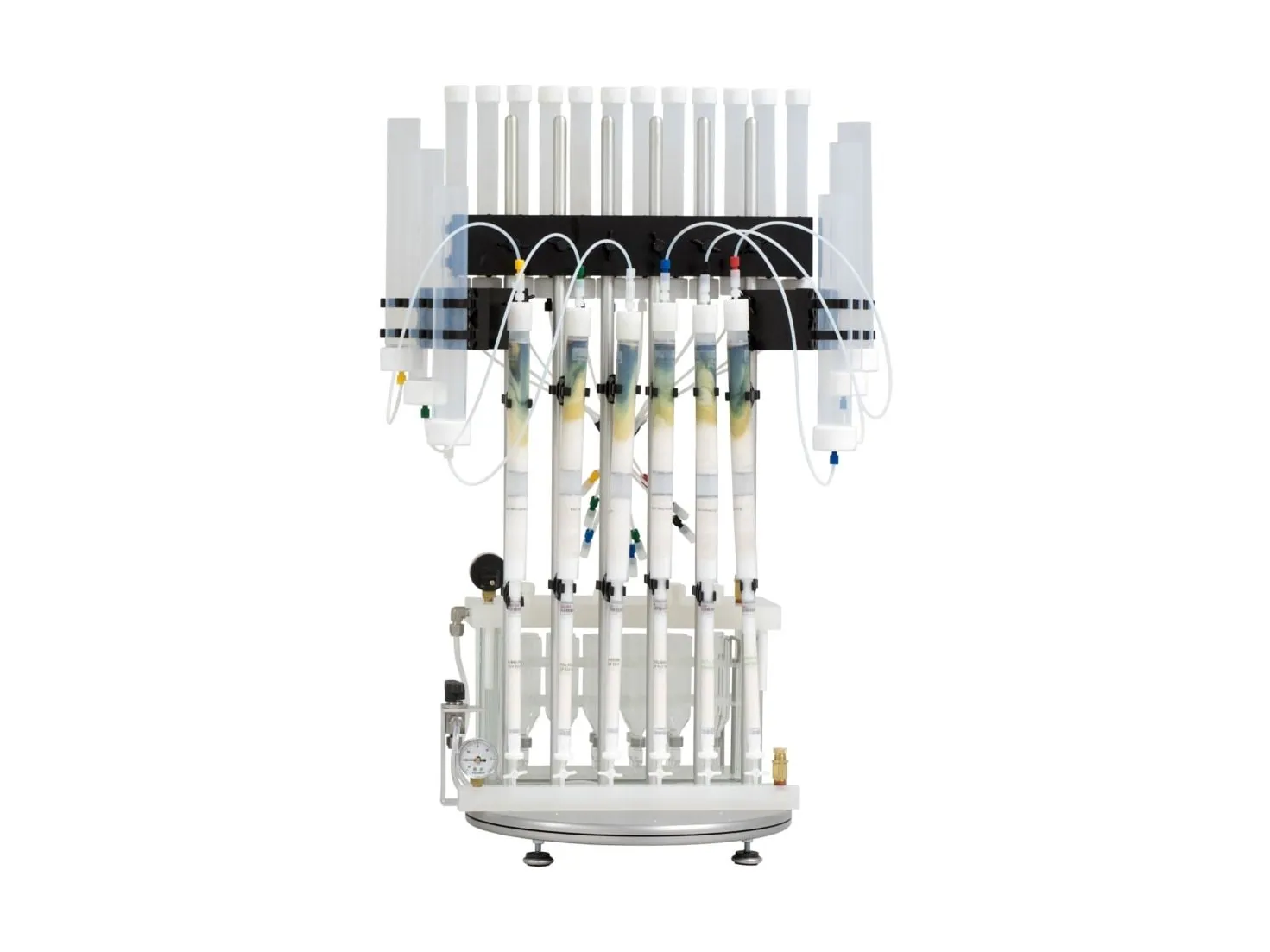
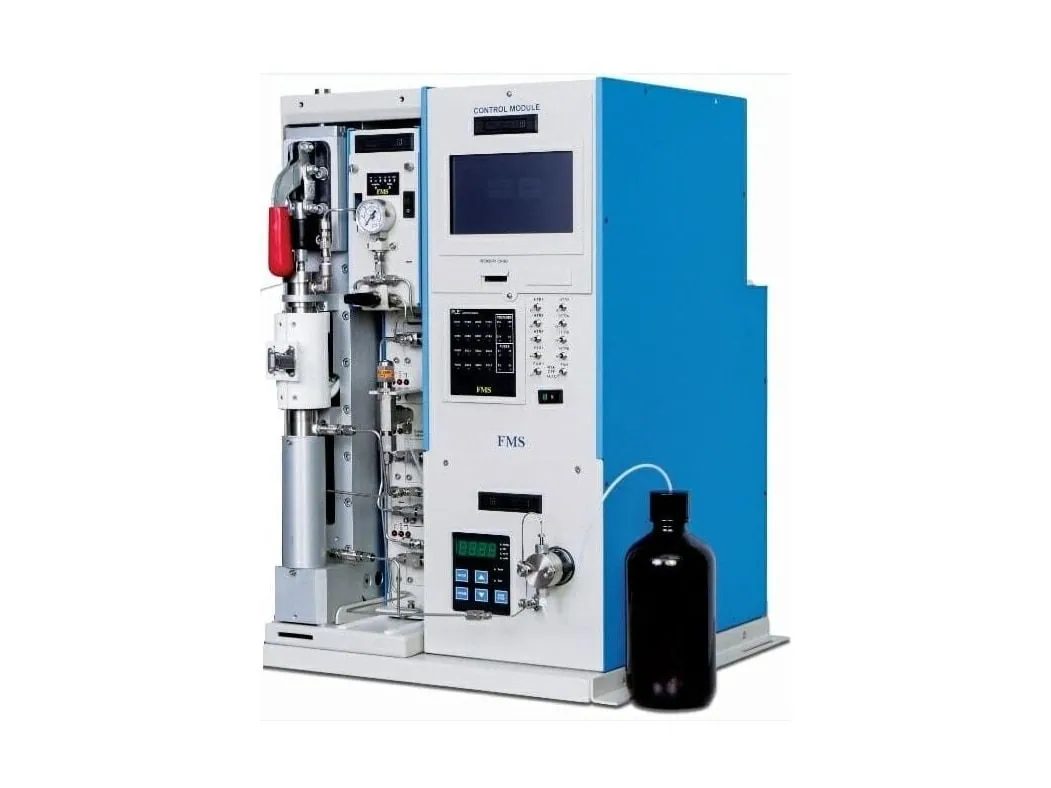
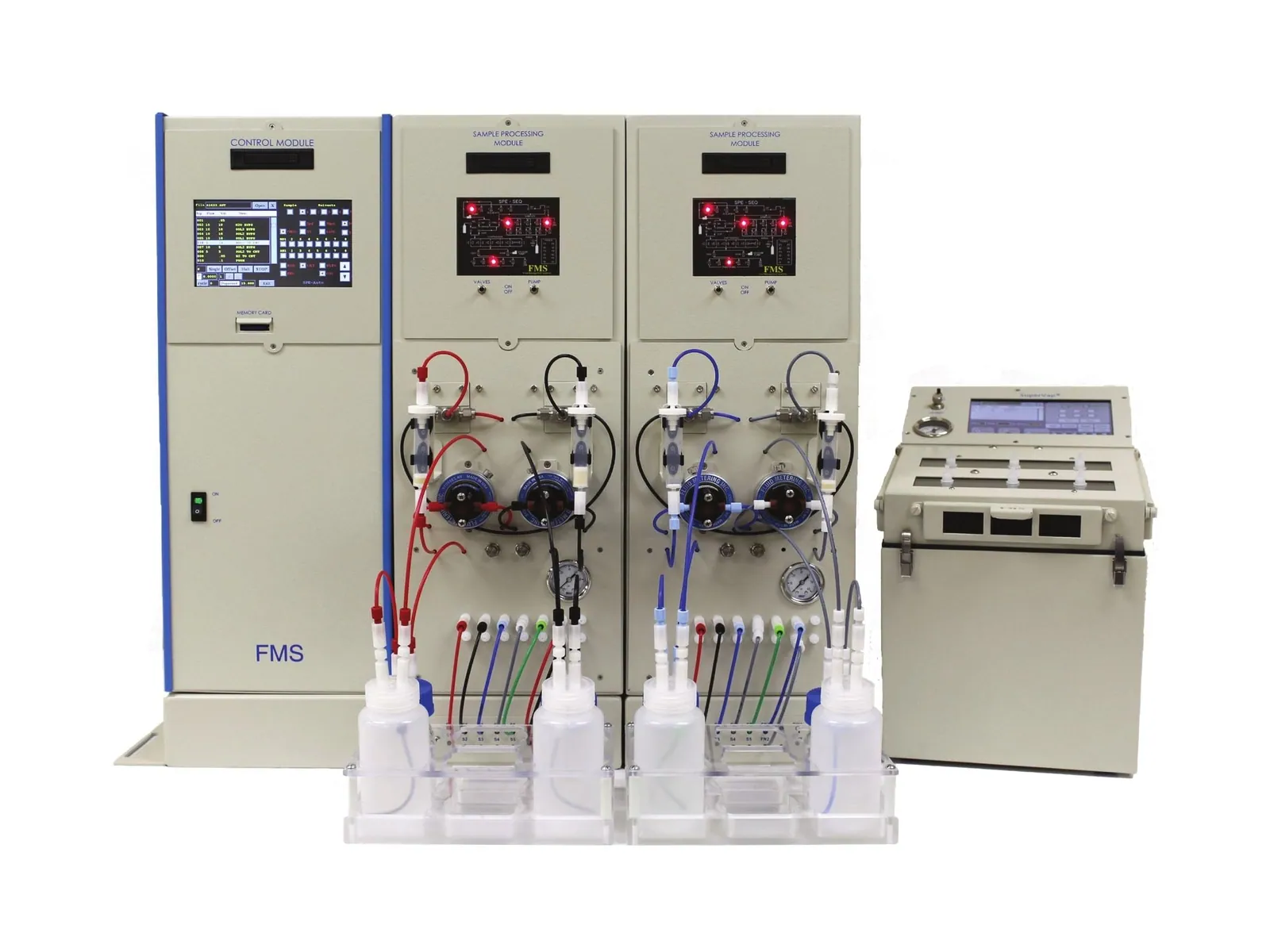
The FMS TurboTrace system automates solid phase extraction (SPE) of liquid samples before chromatographic analysis. The TurboTrace PFC configuration is built for per- and polyfluoroalkyl substances (PFAS) in drinking water and wastewater, and SPE is also applied to other liquid matrices.
Samples are loaded onto SPE cartridges by vacuum or positive-pressure pumping, directly from the bottle in which they were collected. Conditioning, washing and elution solvents are delivered by positive pressure for precise volumes. The PFC flow path is made of PEEK and stainless-steel parts to keep PFAS background very low. FMS application notes describe EPA 537.1 (drinking water) and EPA 1633 (wastewater) workflows.
GLHS offered the TurboTrace system to laboratories in Egypt and can advise on FMS sample-preparation workflows.
Key features
- Up to six samples processed simultaneously
- Sample loading by vacuum or positive-pressure pumping
- Positive-pressure delivery of conditioning, wash and elution solvents
- Samples loaded from the original collection bottle
- PEEK and stainless-steel flow path for low PFAS background (PFC version)
Technical specifications
| Samples per run | Up to 6 simultaneously |
|---|---|
| Sample volume | 2 mL to 8 L |
| Sample loading | Vacuum or positive pressure |
| Reference methods (application notes) | EPA 537.1, EPA 1633 |
Specifications are those published by the manufacturer and may change without notice. Please confirm the current configuration with our team.
Applications
- PFAS analysis in drinking water and wastewater
- Extraction of liquid samples such as water, milk and beverages
- Sample preparation ahead of LC-MS/MS analysis